
Hospital and community services for older people living with frailty in Scotland 2025-2026: October 2025
This is the foreword and summary of key points from the full report.
Foreword
This report provides an overview of hospital and community services for older people living with frailty in Scotland. It draws on insights from services across Scotland. This includes the NHS boards and health and social care partnerships participating in Healthcare Improvement Scotland’s improvement programmes between 2023 and 2025. The report highlights examples of best practice and showcases how teams are working collaboratively in urban and remote rural areas to design and deliver services that are person-centred and responsive to local need.
National standards on ageing and frailty were published in 2024 and policy is now in place to support improvement through the NHS Scotland Operational Improvement Plan (2025). Priorities include putting in place dedicated frailty teams in every hospital with an emergency department and supporting general practice to improve frailty recognition and management. This is a strong foundation on which to build.
This alignment creates a powerful opportunity to drive consistent, high-quality care and accelerate improvement. By recognising what’s working well and understanding the barriers that remain, we can support teams to continue developing services that make a meaningful difference for older people living with frailty.
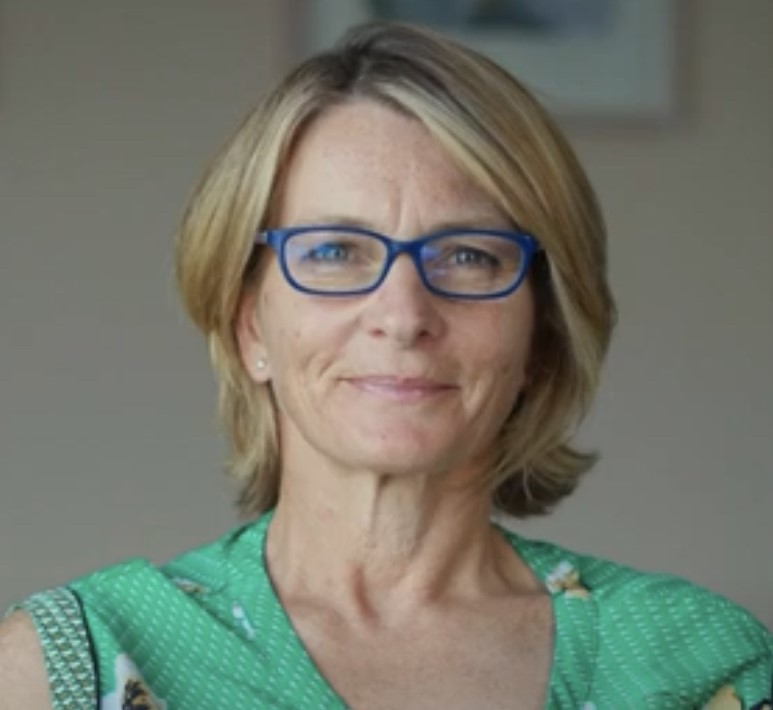
Dr Lara Mitchell
Strategic National Clinical Lead for Acute Care, Healthcare Improvement Scotland
Consultant in Medicine for the Elderly, Queen Elizabeth University Hospital, Glasgow, NHS Greater Glasgow and Clyde
Summary of key points
- The number of people in Scotland who are over 65 is projected to increase by 67% by 2047, according to the National Records of Scotland. This means the number of older people living with frailty will also rise.
- When someone experiences frailty and this progresses, the support they need to live a healthy and fulfilling life changes. This includes requiring increased input from health and social care. All NHS boards across Scotland provide support for people living with frailty, through varying models
- To meet the needs of an ageing population, improvements are needed to health and social care services in community and hospital.
- Healthcare Improvement Scotland’s Focus on Frailty programme applies quality improvement methodology to drive sustainable improvement in services for older people living with frailty. This supports the NHS Scotland Operational Improvement Plan’s ambition to reduce pressure on hospitals and improve access to early intervention in the community.
- Community services can support older people living with frailty to remain independent, help prevent deterioration in health and reduce demand on services. Local service examples include:
- 37% reduction in demand for GP appointments in the six months following a wellbeing review.
- 11% reduction in medicines following polypharmacy review. This includes medicines associated with risks of falls and hospital admission.
- When admission to hospital is required, early identification of frailty and prompt access to frailty services can improve health outcomes. One hospital reduced the average length of stay by four days while avoiding costs of up to £4.2 million a year and freeing up hospital capacity equivalent to 1,400 admissions.
- Healthcare Improvement Scotland’s Focus on Frailty programme is currently supporting 15 out of the 28 hospitals that accept emergency admissions. As of the end of September 2025, 87% (13/15) of hospitals that accept emergency admissions and are participating in the Focus on Frailty programme provided access to specialist staff in frailty teams. Over the same time period, 68% (19/28) of all hospitals that accept emergency admissions in Scotland reported that they provided access to specialist staff in frailty teams. The remaining hospitals that accept emergency admissions were working to understand the system or develop and design their frailty services. These hospitals were working towards putting in place access to specialist staff in frailty teams, with existing services providing support to older people living with frailty.
- 15% of older people being discharged from hospital are readmitted within 28 days, according to The British Geriatrics Society. With each admission, their level of frailty and care needs increase. This generates even more demand for health and social care, at home or in a care home.
- Improved discharge coordination can reduce delays, release hospital capacity and prevent deterioration in health due to hospital related harms.
While progress is being made, challenges remain. These include: difficulties in accessing tools which enable early identification of frailty in general practice, limits to the functionality of clinical information systems, limited health and social care system capacity and national variability in access to frailty services across Scotland. Healthcare Improvement Scotland is supporting health and social care to overcome these challenges.